

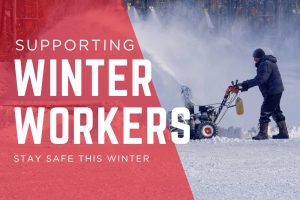
Winter brings familiar challenges for businesses each year. It can be tempting to treat cold weather as an inconvenience that employees simply have to put up with. However, working in freezing temperatures or navigating an icy site can make everyday tasks more dangerous. Preparing for these conditions is an important part of protecting workers and keeping workplaces safe.
How winter weather affects workplace safety
When temperatures fall, the body loses heat, particularly when workers are exposed to wind or damp conditions. If the body cannot maintain its normal temperature, cold stress can develop. In severe cases, prolonged exposure can lead to hypothermia, a potentially life threatening condition.
Cold hands can make it harder to grip tools, operate machinery or carry out tasks requiring fine movements. Workers may also become tired, distracted or less coordinated, increasing the likelihood of accidents. In industrial environments, where people may be working with heavy equipment or moving vehicles, these accidents can have serious consequences.
The weather also creates hazards underfoot. Frost, ice and snow can make walkways, loading bays and access routes slippery, while heavy rain can leave surfaces wet and difficult to navigate. Reduced daylight and poor visibility add another complication, particularly for people working outdoors or travelling between sites.
These risks rarely occur in isolation. A worker who is cold, tired and trying to complete a task in poor light face several hazards at once. This is why winter safety needs to be considered a priority as part of a workplace’s wider health and safety arrangements, rather than addressed only when the weather becomes particularly severe.
What are employers responsible for?
Employers have a legal duty to assess workplace risks and take reasonably practicable steps to protect their employees. Winter weather should form part of that assessment, especially where work takes place outdoors or in environments that are difficult to heat. A risk assessment should reflect the realities of the job. Someone working outdoors for an entire shift will have different needs from an employee who only spends short periods outside.
The Health and Safety Executive (HSE) recommends a minimum temperature of 16°C for most indoor workplaces, falling to 13°C where work involves rigorous physical effort. These are guideline temperatures rather than universal limits, and employers must consider the nature of the work and the conditions in which it’s carried out.
Outdoor work presents a different challenge because the weather cannot be controlled. However, the risks can still be reduced. Employers can adjust working hours, reorganise tasks or postpone work when conditions become unsafe. They should also consider whether workers have access to suitable clothing and facilities where they can change out of wet clothes in a warm environment.
Preventing slips, trips and falls
When temperatures drop overnight, ice can develop on site before the working day begins. Areas that receive little sunlight can remain slippery even when other parts of a site have thawed. For businesses with outdoor spaces, gritting surfaces, clearing snow and ensuring that walkways are well lit can help reduce the risk of falls. Checks should continue throughout the day as temperatures and weather conditions change.
Working at height requires particular care. Ice can make access dangerous, even for experienced workers. Equipment and working surfaces should be checked before use, and work should be stopped if conditions make it unsafe to continue. Driving also becomes more challenging during winter. Employers should make sure vehicles are suitable for the conditions, journeys are planned carefully and drivers have enough time to travel.
Recognising the signs of cold related illness
It’s important that workers recognise the warning signs that they are struggling to maintain their body temperature, such as persistent shivering, unusual tiredness, reduced coordination and confusion. Hypothermia is a medical emergency. If someone develops symptoms suggesting serious cold exposure, they should be moved to a warm, sheltered place and urgent medical assistance arranged. Appropriate first aid should be provided while help is on the way.
Supervisors have an important role in supporting workers, particularly when employees work alone, during night shifts or in isolated outdoor locations. Staff should feel able to report symptoms without worrying that doing so will be viewed as weakness. Prompt action can prevent a manageable situation from becoming more serious.
Preparing for the colder months
Winter safety begins before the first frost. Reviewing risk assessments, checking equipment, preparing gritting arrangements and making sure welfare facilities are suitable can help businesses respond effectively when conditions deteriorate. Good communication is central to this process. Weather forecasts change quickly, and a site that was safe at the beginning of a shift may become hazardous a few hours later. By recognising the effects of cold weather, providing appropriate protection and making sensible decisions about when and how work is carried out, businesses can protect their workforce and maintain safer working environments throughout the winter season.