

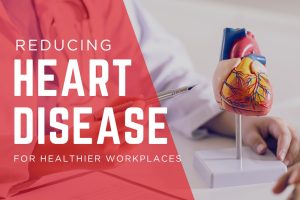
What is heart disease?
Heart disease is a broad term covering conditions that affect the heart’s structure, function or blood supply. The heart works continuously to pump blood around the body, supplying organs and muscles with the oxygen and nutrients they need. Most of the time, we barely notice it doing its job. However, when something affects the heart’s ability to function properly, the consequences can be fatal.
What causes heart disease?
Heart disease is often associated with older age, but the underlying risks can develop much earlier. Some people live with high blood pressure or raised cholesterol for years without experiencing noticeable symptoms. There’s rarely a single explanation for why someone develops heart disease. In many cases, several factors combine over time, gradually affecting the heart and the blood vessels that supply it.
One of the most common forms of heart disease is coronary heart disease, which develops when fatty deposits build up inside the arteries supplying blood to the heart. As these deposits accumulate, the arteries can become narrower, restricting the flow of blood. If a blood clot blocks an artery completely, it can cause a heart attack, potentially damaging the heart muscle.
Other forms of heart disease affect the heart’s valves or electrical system, interfering with its ability to work effectively. Diabetes can damage blood vessels and increase the likelihood of cardiovascular problems. As can smoking, damaging blood vessels and making blood clots more likely.
Everyday habits influence these risks too. A diet high in salt and saturated fat, limited physical activity, excessive alcohol consumption and carrying excess weight can all contribute to poorer cardiovascular health. However, heart disease cannot simply be attributed to lifestyle choices. Age, family history and inherited conditions also increase the likelihood of having heart problems.
This is important because heart disease won’t necessarily follow an obvious pattern. Someone may appear fit and active while having high blood pressure or cholesterol without knowing it. Equally, having one or more risk factors doesn’t mean that heart disease is inevitable. Regular health checks and managing existing conditions can help reduce the chances of serious complications.
Recognising the signs and symptoms
One of the difficulties with heart disease is that it doesn’t always produce obvious warning signs. Some people experience symptoms for months, while others may have no noticeable problems before a serious event occurs. The symptoms also depend on the type of condition affecting the heart.
Chest pain or discomfort is one of the best known warning signs, particularly when it feels like pressure, tightness or heaviness. The discomfort may spread to the arms, shoulders, neck, jaw, back or stomach. Other symptoms can include breathlessness, unusual tiredness, dizziness, nausea, palpitations or feeling faint.
These symptoms are not always recognised as signs of a heart problem. Breathlessness might be attributed to getting older or being unfit, while chest discomfort could be mistaken for indigestion or muscular pain after a physically demanding shift. Although these symptoms can have other causes, persistent, unexplained or new symptoms should not be ignored.
If you suspect someone is having a heart attack, call 999 immediately. Do not wait to see whether the symptoms improve or attempt to drive yourself to hospital. For symptoms that are not an immediate emergency, but could indicate a heart problem, seek prompt medical advice.
Reducing the risk of heart disease
Not every case of heart disease can be prevented, but there are practical ways to reduce the risk. Regular physical activity, a balanced diet, maintaining a healthy weight and stopping smoking can all support cardiovascular health. Limiting alcohol consumption and managing conditions such as high blood pressure, high cholesterol and diabetes are equally important.
Small, sustainable adjustments can make healthy habits easier to maintain. For someone with an existing heart condition or several risk factors, advice from a healthcare professional can help establish the most appropriate approach. Where medication has been prescribed, taking it as directed and attending recommended reviews are important parts of managing cardiovascular risk.
Employers also have a role to play. Workplace conditions can influence how easily people maintain healthy routines, particularly in industrial settings where demanding workloads or limited opportunities for breaks may be part of the job. Making it easier for employees to seek advice can help support a healthier workforce.
Occupational health services can also provide support where an employee has a heart condition that may affect their work. Depending on the role and the individual’s circumstances, an assessment can help identify suitable adjustments and encourage a safe return to work.
Heart disease and men’s health
Movember provides an opportunity to discuss men’s health and the conditions that can sometimes go unrecognised. Heart disease is an important part of that conversation because men generally develop cardiovascular disease at younger ages than women, although it affects people of all sexes and genders.
One of the challenges is that men might delay seeking help when symptoms appear manageable or don’t interfere with work and other responsibilities. A worker might dismiss unusual fatigue as the result of long shifts, for example. In some cases, these symptoms may have an innocent explanation. In others, they could indicate an underlying health problem that needs investigation.
Routine health checks can help identify risks before symptoms develop. Blood pressure, cholesterol and blood glucose levels can provide useful information about cardiovascular health, allowing healthcare professionals to decide whether further assessment or treatment is needed.
People with existing conditions, a strong family history or concerns about their symptoms should seek medical advice or assessment without delay. The message during Movember is straightforward: looking after your health means recognising when something has changed and being prepared to ask for help.