

Why men’s mental health matters
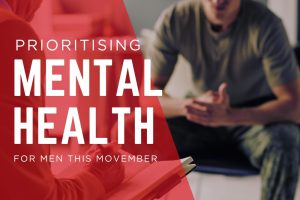
We all know how important mental health is, but for many men, talking about how they feel isn’t easy. In industries like construction, manufacturing or transport, where men make up a large proportion of the workforce, this can be a particular concern. Men account for around three quarters of deaths by suicide in the UK. While mental health difficulties can affect anyone, men often face barriers when it comes to recognising their feelings and asking for help. Understanding these barriers is an important step towards creating workplaces where men feel able to speak openly before their difficulties become more serious.
Why do some men find it difficult to talk?
From an early age, men are taught that being strong means dealing with problems independently. This can lead to the feeling that admitting to anxiety, sadness or stress makes them appear weak, particularly if they have spent years being the person others rely on. These expectations can follow into adulthood, affecting how men respond when life becomes difficult.
Workplace culture can add to the problem. In male dominated industries, teamwork and banter can create a strong sense of belonging, but there can also be an unspoken expectation to get on with the job regardless of what is happening outside work. A man may feel comfortable telling his manager about a physical injury but struggle to explain that he is experiencing depression or having difficulties at home.
This does not mean that all men approach mental health in the same way. Many speak openly about their experiences, and some workplaces have developed a supportive culture. However, where people fear being judged by colleagues or worry that asking for help could affect their job prospects, staying silent can seem like the easier option.
Recognising when something is wrong
One of the challenges with men’s mental health is that distress does not always look the way people expect. Someone who is struggling might not appear sad or openly express that they are having difficulties. Instead, they might become irritable, withdraw from conversations or lose interest in things they previously enjoyed.
At work, the changes can be subtle. A colleague who normally gets involved in conversations may become unusually quiet, while someone else might become short tempered or find it harder to concentrate. There may an increase in absences or a noticeable change in motivation. Some men respond to difficulties by throwing themselves into work, taking on excessive hours or avoiding time at home.
Sleep problems, persistent tiredness and physical complaints can also be signs that someone is struggling. Others may begin drinking alcohol or using substances to cope with difficult feelings. Of course, these changes do not automatically mean that someone has a mental health condition. People have difficult days, and behaviour can change for many reasons. What matters is recognising when something seems different, particularly if the changes persist or begin to affect someone’s work, relationships or everyday life.
How employers can make a difference
Employers can play an important role in making mental health easier to discuss in the workplace. It’s not enough to tell employees that support is available if the workplace culture suggests that admitting to a problem will be viewed negatively. If an employee seems withdrawn, unusually stressed or different from their usual self, a private check in with a manager can give them an opportunity to explain what is happening. Asking how someone is coping, rather than waiting for them to raise a concern, can make it easier to start a conversation.
Managers don’t have to be mental health specialists. Often, the most useful thing they can do is listen without judgement, take concerns seriously and help the employee find appropriate support. This could be occupational health support, charities or public health services. Confidentiality is also important, as employees need to understand how information will be handled before they feel comfortable sharing personal concerns.
Employers should also consider whether working conditions are contributing to the problem. Excessive workloads, poor communication, bullying and inadequate recovery time between shifts can all affect mental health.
What colleagues can do
Sometimes, simply noticing that someone seems different and asking if they are all right can make a difference. The aim is not to force a conversation but to make sure the person knows they do not have to deal with everything alone. If a colleague opens up, try to resist the urge to immediately offer solutions or tell them that things will get better.
Give them time to explain how they feel and show that you are taking them seriously. Avoid dismissive comments or comparisons with other people’s experiences. Not everyone will be ready to talk straight away. If someone brushes off your concern, let them know you are available and consider checking in again later. If someone appears to be at immediate risk of harming themselves, seek urgent assistance rather than trying to manage the situation alone.
Where men can find support
Men do not need to wait until they reach crisis point before seeking help. Speaking to a GP or accessing occupational health services can provide an opportunity to discuss concerns and consider what support might be appropriate. In England, people needing urgent mental health support can call NHS 111 and select the mental health option or head directly to an A&E department. Samaritans can be contacted free on 116 123, day or night. If someone’s life is in immediate danger, call 999.
Making mental health part of everyday working life
Improving men’s mental health is about encouraging men to speak up and questioning why some feel unable to do so in the first place. If workers believe they must hide their difficulties to maintain the respect of colleagues or protect their careers, awareness campaigns alone are unlikely to make a difference. Employers can lead change by creating supportive working environments, addressing the pressures men are going through and making professional help accessible to all.
At MOHS we provide a range of psychiatric treatments and mental health first aid courses to organisations in the West Midlands and beyond. Find out more via the links below.
https://mohs.co.uk/services/mental-health-services/