

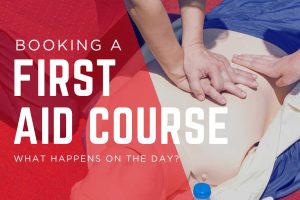
When an accident happens at work, the first few minutes are critical. Knowing how to respond in an emergency can save lives. First aid training gives employees the practical skills required for responding to these kinds of incidents. But what actually happens during a first aid course? For those considering training for the first time, a primary first aid at work course provides a comprehensive introduction to emergency care.
What is a primary first aid at work course?
Primary first aid at work training is designed to prepare employees to act as first aiders in the workplace. It covers a broad range of injuries, illnesses and life threatening emergencies, combining theoretical knowledge with practical exercises. The course is particularly relevant in high risk environments, like construction, manufacturing and industrial workplaces, where there is a greater potential for injury.
Understanding the role of a first aider
Although many people associate first aid with treating injuries, effective emergency care begins before treatment starts. Delegates learn how to assess an incident, identify potential hazards and establish whether it is safe to approach a casualty. This is particularly important in industrial settings, where an injured person might be near operating machinery, electrical equipment or hazardous materials. The course also explores how to summon emergency assistance, communicate relevant information and record incidents and actions taken. These skills help first aiders respond methodically, rather than allowing the pressure of an emergency to dictate their decisions.
Learning practical first aid skills
A substantial part of the course involves learning how to assess and treat injuries. For workers in manufacturing or construction, this knowledge has clear practical relevance. An incident involving a fall, a sharp tool or a piece of equipment may require an immediate response while further medical assistance is arranged. Practical exercises allow participants to develop their skills and apply what they have learned in simulated emergency scenarios. The purpose is to build the ability to recognise a problem, make an informed assessment and take appropriate action within the limits of their training.
Responding to medical emergencies
Not all emergencies result from an accident. Employees also experience sudden illnesses, sometimes without any obvious warning. For this reason, first aid courses cover the recognition and initial treatment of several serious medical conditions, including heart attacks, strokes and seizures. Understanding the warning signs of these conditions can help a first aider recognise when someone needs urgent medical attention. The course explores how to respond appropriately while waiting for emergency services, taking account of the casualty’s condition and the circumstances. Cardiopulmonary resuscitation (CPR) and the use of an automated external defibrillator (AED) is also important. These skills are particularly relevant if someone suffers a cardiac arrest when prompt action can be critical.
How is a first aid course assessed?
Practical activities are particularly important because an emergency can be difficult to manage under pressure. Rehearsing techniques and working through simulated incidents gives delegates an opportunity to develop their skills before they use them in a real situation. Assessment forms part of the learning process, allowing trainers to establish whether participants can carry out the required first aid procedures and respond appropriately to different situations. Delegates must demonstrate that they understand the subject and can apply their knowledge in practice.
Why first aid training matters for employers
Under the Health and Safety (First-Aid) Regulations 1981, employers must provide adequate and appropriate equipment, facilities and personnel so employees can receive immediate attention if they are injured or taken ill at work. The level of training required depends on the circumstances of the workplace. Employers should consider their risk assessment, the size and distribution of the workforce, working patterns and the nature of the hazards employees face. Training should be determined by the organisation’s circumstances rather than by a general assumption that every business needs the same level of cover.
Book a first aid at work course with MOHS
First aid training equips employees with practical skills that can be used throughout their working lives, as well as outside the workplace. Our three day course provides a comprehensive introduction to workplace first aid, from assessing an emergency to responding to serious injuries and medical conditions. To find out more about course dates, costs and availability, visit https://mohs.co.uk/training-courses/first-aid-work-training/primary-first-aid-at-work-faw-training/ or contact our training team at training@mohs.co.uk.